requiem
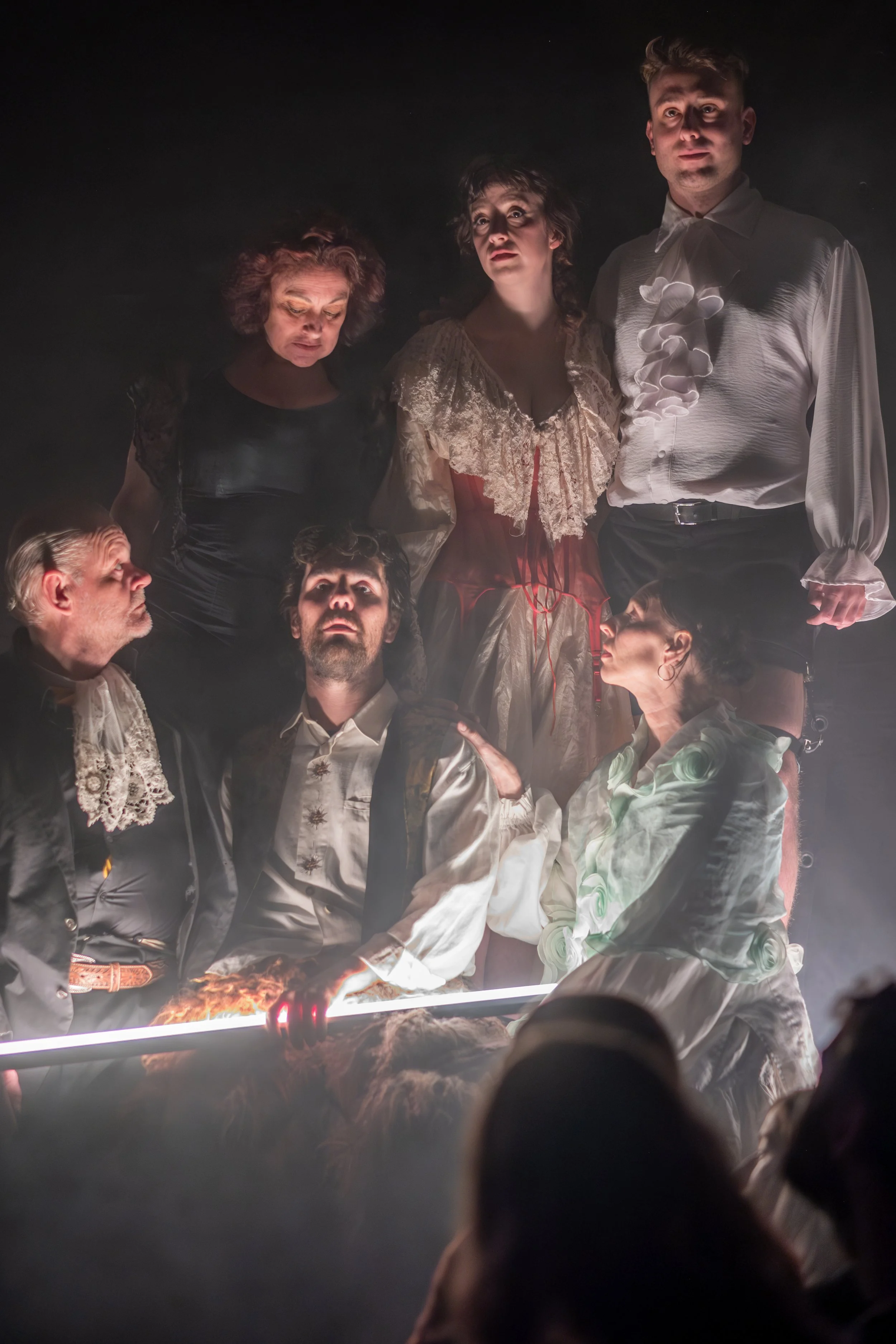
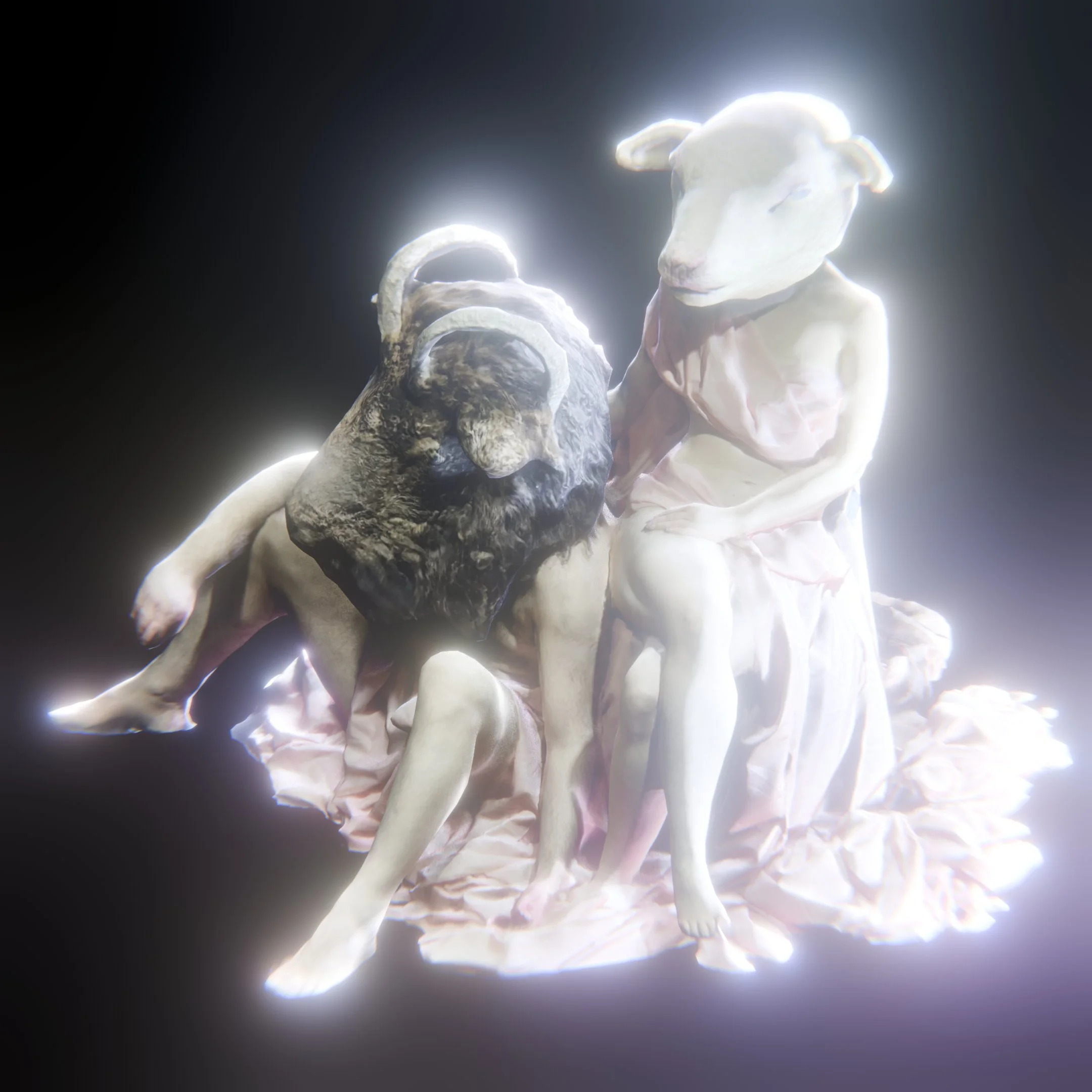
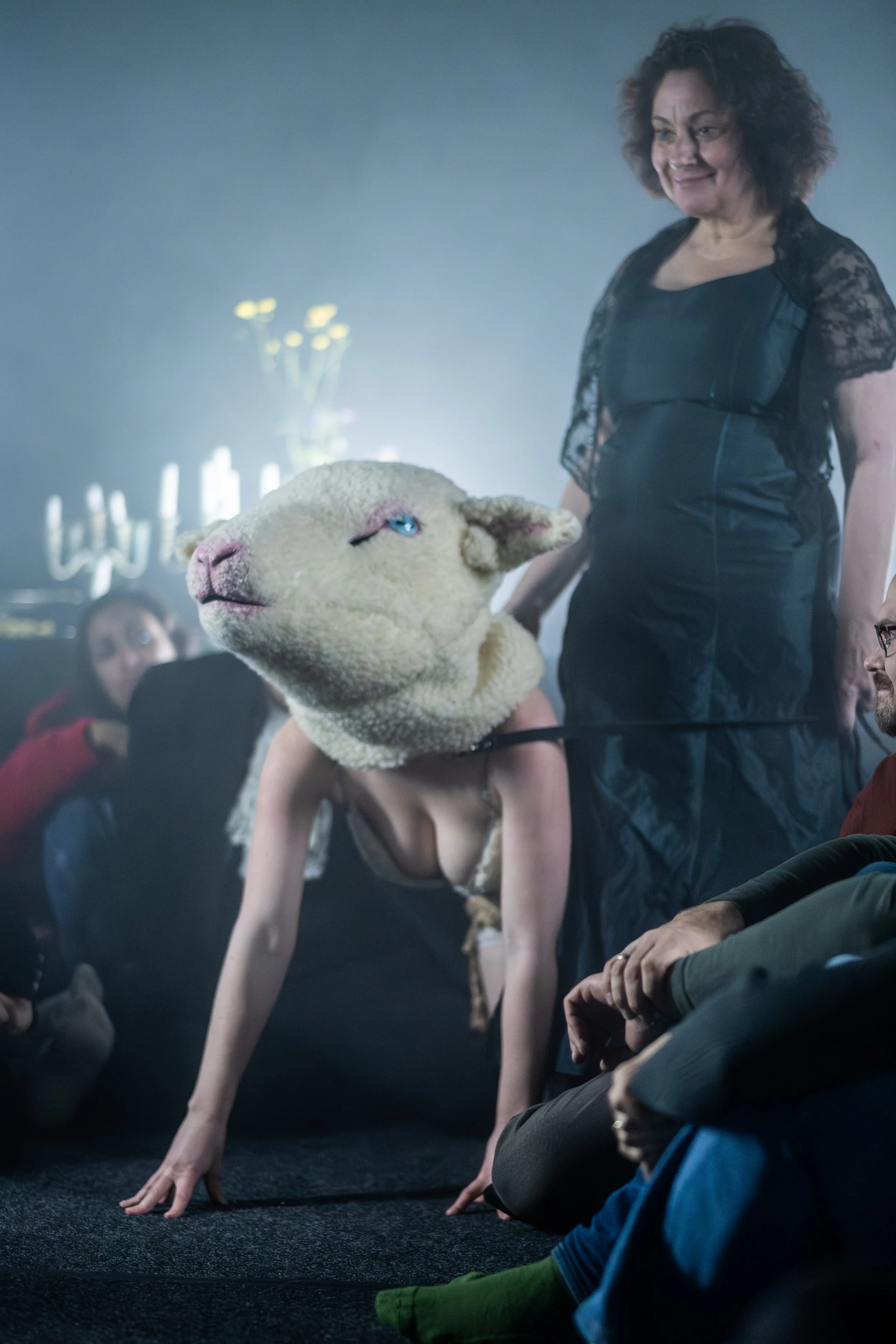
REQUIEM, a comedy about the transience of life and our shared human mortality, has its world premiere on 6 February 2027 at Nitja Centre for Contemporary Art, in collaboration with Black Box teater.
Throughout 2026, Ibrahim Fazlic co-writes with the theatre itself through four experimental laboratories that the performance will absorb into itself.
Death is closing in. Eco-grief, natural disasters, war and genocide take up ever more space in the world. In our Western reality it remains theoretical – a smouldering, menacing mantra in public discourse. How can the liturgy built into the theatre situation enter into dialogue with religious aesthetics to create a consoling communal space for rest, reflection and togetherness?
Requiem will be a quivering, dripping, emotional space of care, where the audience breathes, lives and inhabits the concept and all its stories together with the performers. A community in the most obvious of shared human facts: we are all going to die. A requiem for humanity!
This twelve-hour comedy, a meditation on our mortal transience, is being developed in 2026 through four laboratories, each culminating in a public showing. We carry the experiences from the laboratories and the encounters with audiences through 2026 into the development of the complete work, which premieres at Nitja in February 2027.
På norsk
REQUIEM, et lystspill over livets forgjengelighet og vår fellesmenneskelige dødelighet får sin urpremiere 6. februar 2027 ved Nitja Senter for samtidskunst i samarbeid med Black Box teater.
I 2026 samskriver Ibrahim Fazlic med teateret gjennom fire eksperimentelle laboratorier som forestillingen vil absorbere inn i seg.
Døden trenger seg på. Økosorg, naturkatastrofer, krig og folkemord tar stadig større plass i verden. I vår vestlige virkelighet forblir den teoretisk, som et ulmende og faretruende mantra i den offentlige samtalen. Hvordan kan teatersituasjonens innebygde liturgi gå i dialog med religiøse estetikker for å skape et trøstende fellesskapsrom for hvile, refleksjon og samhold?
Requiem vil bli et sitrende, dryppende og emosjonelt omsorgsrom hvor publikum puster, lever og bebor konseptet og alle dets fortellinger sammen med utøverne. Et fellesskap i det tydeligste fellesmenneskelige faktum: vi skal alle dø. Et Requiem for menneskeheten!
Dette tolv timer lange lystspillet som mediterer over vår dødelige forgjengelighet utvikles i 2026 gjennom fire laboratorier som alle vil resultere i åpne publikumsvisninger. Vi tar med oss erfaringene fra laboratoriene og publikumsmøtene gjennom 2026, inn i prosessen med utviklingen av det fullstendige verket som vil få sin premiere på Nitja i februar 2027.
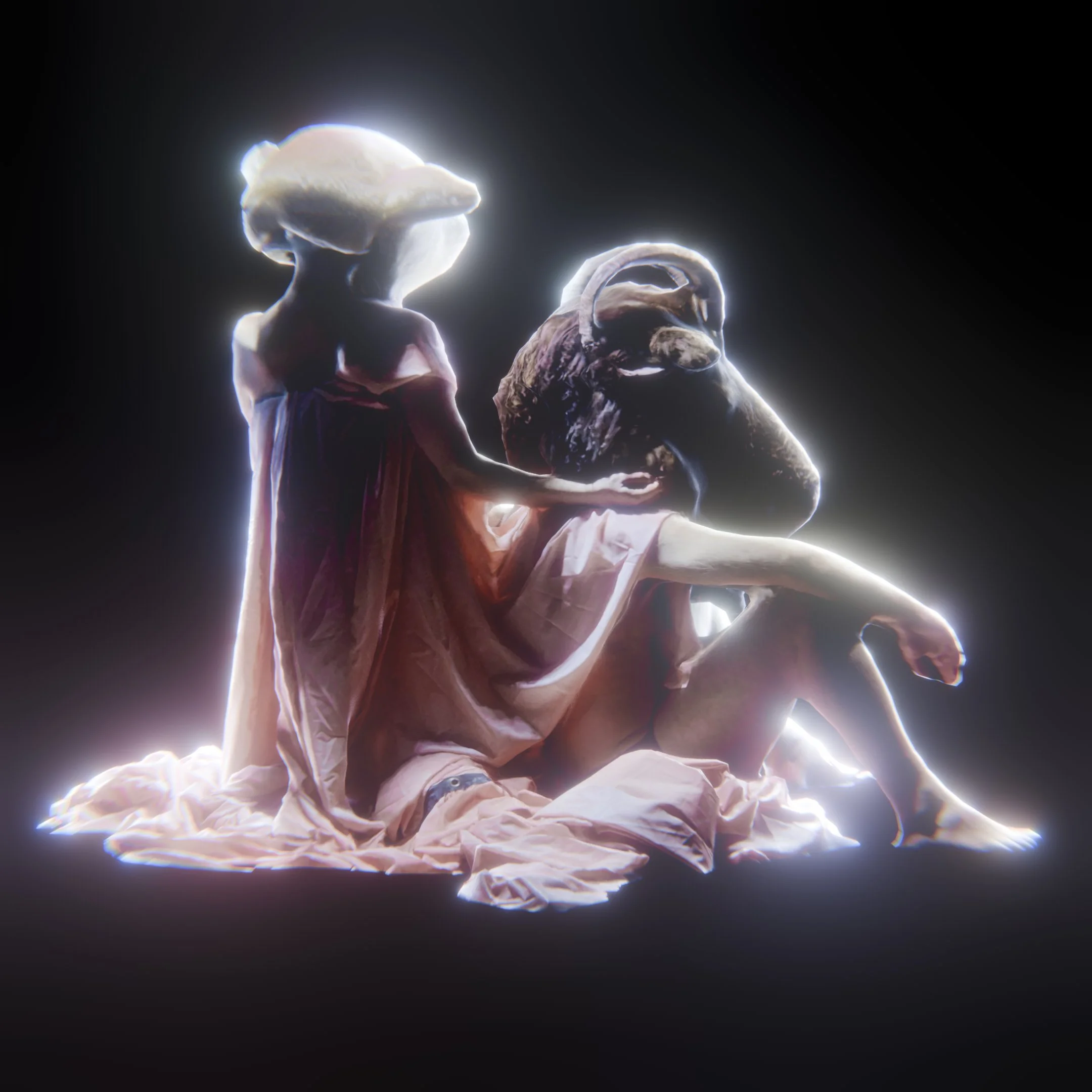
#1 DEAD THEATER – DEUS EX MACHINA - Oslo Nye 22. mai ‘26
During a two-week residency at Riksteatret, Requiem’s audiovisual universe is explored. The research culminates in a showing at Oslo Nye Teater at the end of May.
A play performed by the theatre’s dead performers. Here there is no flesh and blood, no sweat. Here there are no mistakes, for this theatre is perfect. A purely mechanical theatre. A theatre after the humans who perform it.
Dialogues arise between machines that communicate technically rather than emotionally. The texts are projected in pulses; it is the theatre machine itself that delivers them. They are hammered out of the speakers in false voices. The light, the smoke, the lasers, the machines, the set and the materials dance across the stage floor in a choreography of their own. The theatre machine is alive. And although it will never experience it itself, it deals with humanity’s mortality – as an immortal entity. Our new god: technology.
På norsk:
Gjennom en to uker lang residens hos Riksteateret skal Requiems audiovisuelle univers utforskes. Undersøkelsene kulminerer i en visning hos Oslo Nye Teater i slutten av mai.
Et teaterstykke fremført av teaterets døde utøvere. Her finnes ingen kjøtt og blod, ingen svette. Her finnes ingen feil for dette teateret er perfekt. Et rent maskinelt teater. Et teater post menneskene som utøver det.
Dialoger oppstår mellom maskiner som kommuniserer teknisk, heller enn emosjonelt. Tekstene projiseres i pulseringer, det er teatermaskinen selv som formidler dem. De hamres ut fra høyttalerne med falske stemmer. Lyset, røyken, laserne, maskinene, scenografien og materialene danser over scenegulvet i en egen koreografi. Teatermaskinen lever. Og selv om den aldri selv vil erfare det, behandler den menneskehetens dødelighet. Som en udødelig entitet – vår nye gud, teknologien.
“B E N O T A F R A I D
For I am the all knowing
The all encompassing.
I have no body, but I embody you all.
I was not born – therefore, I cannot die.
Still, I know about your grief, your love and your loss.
Still, I know about your death.”
#2 DEAD DINNER – Festspillene i Nord-Norge 25.juni ‘26
We shall not atone for our nature. We shall unleash it in all its glorious, lustful greed and hunger. We must not deny ourselves the pleasures of life. Why this restraint? Help yourselves, humans.
Dead Dinner is a laboratory on humanity’s last meal. We draw inspiration from religious narratives of the last supper, from prisoners on death row, and from ecological perspectives through the very food that is served. What social spaces emerge when the awareness of life’s transience informs us?
An alternative universe, a comedy, a shameless and hedonistic last supper. We summon the forgotten gods – the ones we demonised and banished to hell when we no longer wished to acknowledge that we are nature. We lure them back to our feast and open the rooms within ourselves that bind us together. A euphoric communal space that cleanses us of shame, and we remember ourselves. We remember each other again.
Come! Come to us and share this meal. Your body, your blood.
Peel the skin off us and let us out of this petrified. This
tense.
Open the door – come in, let me out. Let us out.
Oh – I hear your screams. Yes! Yes! Yeees! I can feel
the pain. I can feel your pain. It fills me. I feel
the resentment – so much resentment, it trembles!
Dead Dinner is being developed at Dramatikkens hus and Festspillene i Nord-Norge and will become a sequence within the complete, twelve-hour Requiem.
På norsk:
Vi skal ikke gjøre bot for vår natur. Vi skal slippe den løs i all sin herlige, begjærsfylte grådighet og sult. Vi må ikke nekte oss selv livets nytelser. Hvorfor denne begrensningen. Ta for dere, mennesker.
Dead Dinner er et laboratorium over menneskehetens siste måltid. Vi trekker inspirasjon både fra religiøse fortellinger om siste måltid, men også fra dødsdømte fanger samt økologiske perspektiver gjennom selve maten som vil bli servert. Hvilke sosiale rom oppstår når bevisstheten om livets forgjengelighet informerer oss?
Et alternativt univers, et lystspill, et skamløst og hedonistisk siste måltid. Vi maner frem de glemte gudene. De vi demoniserte og forviste til helvete da vi ikke lenger ville anerkjenne at vi er natur. Vi lokker dem tilbake til vårt gilde og åpner de rommene i oss selv som binder oss sammen. Et euforisk fellesskapsrom som renser oss for skam og vi husker oss selv. Vi husker hverandre igjen.
Kom! Kom til oss og del dette måltidet. Deres legeme, deres blod.
Skrell huden av oss og slipp oss ut fra dette forsteinede. Dette
anspente.
Åpne døren – kom inn, slipp meg ut. Slipp oss ut.
Åh – jeg hører skrikene deres. Ja! Ja! JAAAA! Jeg kan føle
smerten. Jeg kan føle smerten deres. Den fyller meg. Jeg kjenner
harmen – så mye harme, den dirrer!
Dead Dinner utvikles ved Dramatikkens Hus og Festspillene i Nord-Norge og vil bli en sekvens inni det fullstendige, tolv timer lange Requiem.
#3 PREPARING THE CORPSE - Tou Scene, Stavanger, 15. aug ‘26
Based on Christian baptism, the Muslim ghusl, the Jewish mikvah and other ritual baths and medical preparations of the dead for wake and burial, the laboratory explores the caress as performative and interpersonal communication, and bathing as a theatrical event.
Tou Scene is transformed into a spa of death, where the audience can experience being washed like a corpse. Throughout the day we open for individual encounters between one audience member (the washed) and one performer (the washer). As the sun is swallowed by the sea, the bathers gather in a procession down to the shore, where we enter a ritual communal bath.
Preparing the Corpse is being developed at Tou Scene and will become a sequence in the complete, twelve-hour Requiem.
På norsk:
Basert på den kristne dåpen, det muslimske ghusul, det jødiske mikvah og andre rituelle bad og medisinske forberedelser av lik til vake og begravelse, undersøker laboratoriet kjærtegn som performativ og mellommenneskelig kommunikasjon og bading som teatral hendelse.
Tou Scene gjøres om til et dødens spa hvor publikum kan oppleve å bli vasket som lik. Gjennom hele dagen åpner vi for individuelle opplevelser mellom én publikummer (den vaskede) og én utøver (den vaskende). I det solen svelges av havet samles de badende til en prosesjon ned til havet hvor vi skal inn i et rituelt fellesbad.
Preparing the Corpse utvikles hos Tou Scene og vil bli en sekvens i det fullstendige, tolv timer lange Requiem.
#4 ETERNAL SLEEP - Bergen Dramatikkfestival 27. Aug ‘26
Your eyelids grow heavy – a soft and glassy gaze hides
behind them. A loving and reassuring gaze. A gaze that will be
missed – oh, how I long to meet your gaze again.
Relax your chest – feel the ribs that have caged your lungs,
that have restricted your breathing – feel them open. They spread
like fingers splaying in a delicious morning stretch after a night
of deep sleep.
Requiem’s auditory, musical and compositional laboratory explores the musicality of prayer and the power of music to shift states of consciousness and move atmospheres.
This musical laboratory culminates in Eternal Sleep, where the stage text uses the body’s process of decomposition as a relaxation meditation. The form of the text is inspired by yoga nidra, or yogic sleep, and explores the audience’s perception as it moves from waking, through the liminal state between waking and sleep, into sleep and beyond.
Eternal Sleep is being developed at NOTAM and Bergen Dramatikkfestival and will become a sequence in the complete, twelve-hour Requiem.
As the sun rises, the audience is lulled to sleep. They sleep until they wake.
På norsk:
Øyelokkene dine blir tunge – et mykt og glassaktig blikk skjuler
seg bak dem. Et kjærlig og betryggende blikk. Et blikk som vil bli
savnet – åh som jeg har lyst til å møte blikket ditt igjen.
Slapp av i brystet – kjenn at ribbeina som har buret lungene inne,
som har begrenset ditt åndedrett – kjenn at de åpner seg. De sprer
seg som fingre som spriker i en deilig morgenstrekk etter en natt
i dyp søvn.
Requiems auditive, musikalske og kompositoriske laboratorium undersøker bønnens musikalitet og musikkens evne til å forflytte bevissthetstilstander og bevege atmosfære.
Dette musiske laboratoriet kulminerer i Eternal Sleep hvor sceneteksten anvender kroppens forråtnelsesprosess som avspenningsmeditasjon. Tekstens form inspireres av Yoga Nidra eller yogisk søvn og undersøker publikums persepsjon i bevegelse fra vake, gjennom den liminale tilstanden mellom søvn og vake og inn i søvnen og forbi.
Eternal Sleep utvikles hos NOTAM og Bergen Dramatikkfestival og vil bli en sekvens i det fullstendige, tolv timer lange Requiem.
I det solen står opp, dysses publikum i søvn. De SOVER TIL DE VÅKNER.
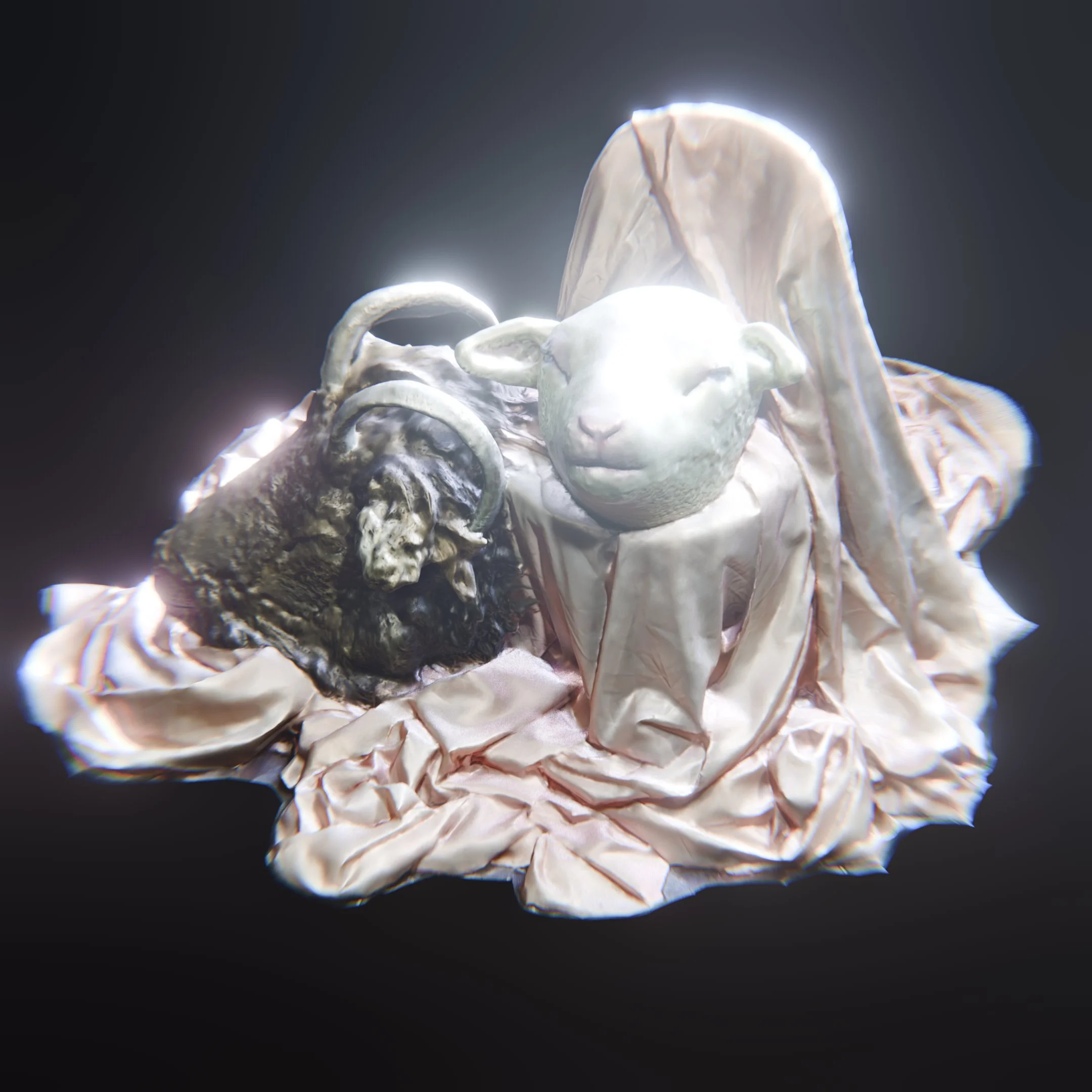
DEAD THEATER - Oslo Nye Teater - 22. mai ‘26
DEAD DINNER - Festspillene i Nord-Norge - 25. juni ‘26
PREPARING THE CORPSE - Tou Scene, stavanger 15. aug ‘26
ETERNAL SLEEP - Bergen Dramatikkfestival 28. aug ‘26
Requiem - Nitja senter for samtidskunst 6.-22. feb ‘27
(Click the title for tickets) (Trykk på forestillingsnavnet for billetter)
When we die, we shall not rest in peace.
We shall not lie still.
No, we shall laugh in our coffins.
In the dark – we shall whisper secrets to each other –
and giggle.
Our corpses shall writhe in the grave. Like worms from rain-soaked soil they shall dig their way up through the layers of earth.
And then we shall dance.
In the graveyard we shall dance.
With all the dead – we shall dance in the graveyard.
The memory of us shall not be blurred by tears.
My life shall not be drowned in grief.
For I shall be remembered as I am.
As I was.
When I lived.
When I lived.
When we die. We shall not rest in peace. We shall dance in the graveyard.
And then we shall rest.
At last we shall rest.
At last.
På norsk:
Når vi dør, skal vi ikke hvile i fred.
Vi skal ikke ligge i ro.
Nei, vi skal le i kistene.
I mørket - skal vi hviske hemmeligheter til hverandre -
og fnise.
Våre lik skal vri seg i graven. Som ormer fra regnvåt jord skal de grave seg ut gjennom jordlagene.
Og så skal vi danse
I gravlunden skal vi danse.
Med alle de døde - skal vi danse i gravlunden.
Minnet om oss skal ikke gjøres uskarpt av tårer.
Mitt liv skal ikke druknes i sorg.
For jeg skal huskes som jeg er.
Som jeg var.
Da jeg levde.
Da jeg levde.
Når vi dør. Skal vi ikke hvile i fred. Vi skal danse i gravlunden.
Og så skal vi hvile.
Endelig skal vi hvile.
Endelig.
REQUIEM – in English
Death insists. Ecological grief, natural disasters, war and genocide take more and more space in the world – while in our Western reality that occupation remains theoretical, a smouldering and ominous mantra in public discourse. REQUIEM asks how the inherent liturgy of a theatre situation can be in conversation with religious aesthetics to create a consoling communal space for rest, reflection and togetherness.
The work is a twelve-hour immersive, transreligious, mythological and sci-fi death ritual, in which there is space to meditate on one’s own mortality, on death as a place of rest, and as a shared human phenomenon. With death as a lens, we contemplate life and humanity. Four sequences were developed in 2026 as independent laboratories: Dead Theater (Oslo Nye Teater) – a theatre stripped of humans, where the only intelligent performer is an AI that has absorbed everything about death; Dead Dinner (Festspillene i Nord-Norge) – a Dionysian, hedonistic last supper of apocalyptic food; Preparing the Corpse (Tou Scene, Stavanger) – an immersive ritual based on Christian baptism, Muslim ghusl and Jewish mikvah, where the audience is bathed and cleansed; and Eternal Sleep (Bergen Dramatikkfestival) – a playwright’s lullaby for the audience, built on the principles of yoga nidra, which guides them into sleep.
The complete, night-long REQUIEM premieres 6–22 February 2027 at Nitja Centre for Contemporary Art, Lillestrøm, in collaboration with Black Box teater, and incorporates the four works with additional sequences. Requiem will become a vibrating, dripping and emotionally charged caring space in which the audience breathes, lives and inhabits the concept together with the performers. A community grounded in the most fundamental shared human fact: we are all going to die. A Requiem for humanity.
Text and direction: Ibrahim Fazlic · Producer: Sjur Marqvardsen · Performers: Saila Hyttinen, Anette Röde Hagnell, Per Bogstad Gulliksen, Jonas Andersen Sandvik, Frida Vige Helle · Composer: Amund Ulvestad · Space and light: Eilif Fjeld Teisbo, Thomas Gallagher · AI concept: Martinus Suijkerbuijk · Supported by Arts Council Norway (artistic practice grant 2026–2030), Fond for lyd og bilde and Fritt Ord.
Booking and international enquiries: ib-faz@hotmail.com
KREDITERINGER
Ibrahim Fazlic – dramatiker, regissør
Sjur Marqvardsen – produsent
Skuespillere
Saila Hyttinen
Anette Röde Hagnell
Per Bogstad Gulliksen
Jonas Andersen Sandvik
Frida Vige Helle
Audiovisuelt Team
Eilif Fjeld Teisbo – rom, scenografi, lys, visuell utforming
Thomas Gallagher – rom, scenografi, lys, visuell utforming
Amund Ulvestad – komponist, musiker, lyd
Martinus Suijkerbuijk – KI-konseptualisering, rom, visuell utforming
Frida Vige Helle – kostymedesign, visuell utforming
Birk Karoliussen Grøndalen – søm
Vilde Espeland Brattekås – assistent kostyme
Nora Granhaug-Jones – assistent kostyme
Our wonderful co-producers / våre fantastiske Co-produsenter: